
When Metal, Paper, and Pixels Remember for Us
Today we’re exploring “How Commemorative Series Chronicle Milestones and Memory,” following the way coins, stamps, medals, and digital editions transform anniversaries into living narratives that travel through pockets, letters, albums, and screens. Expect design insights, archival tips, ethical questions, and heartfelt stories, plus invitations to share your memories, comment with personal finds, and join our growing circle of curious, caring, historically minded readers.
Markers That Outlast the Moment
A commemorative series translates fleeting milestones into tangible anchors that people can hold, trade, and pass down. The U.S. State Quarters, the Royal Mail’s national retrospectives, and museum medal programs show how serial storytelling builds anticipation, deepens context, and multiplies entry points for diverse audiences who meet history through everyday interactions rather than distant textbooks or quiet galleries, forging connections that feel both personal and shared.
Design Language That Carries Memory
Icons, inscriptions, textures, and colors do more than decorate; they argue, explain, and invite empathy. Designers weave miniature essays into portraits, landscapes, emblems, and typographic hierarchies that condense complex histories onto compact surfaces. A thoughtful emblem can signal courage without romanticizing conflict; a restrained palette can honor grief while leaving room for hope. Good design makes remembrance legible, approachable, and emotionally accurate, honoring both facts and feelings simultaneously.
Iconography with Intention
Choosing a single image to represent a vast story is high‑stakes work. Should a civil rights series spotlight leaders’ faces, anonymous marchers’ shoes, or signage demanding justice? Each choice directs attention and frames responsibility. Designers consult archives, communities, and surviving relatives to avoid clichés and token gestures. When symbols feel earned—not generic—people linger longer, ask better questions, and carry the conversation back into classrooms, kitchens, and city councils.
Type, Dates, and the Weight of Words
Letterforms whisper tone before readers parse meaning. Stately serif inscriptions can suggest endurance; modern sans‑serif lines might signal progress and open horizons. Dates anchor memory within broader timelines, while mottos compress values into memorable phrases. Even microtext or subtle security elements can hold references that reward close looking. When language is chosen with humility and precision, it helps communities recognize themselves without erasing nuance or oversimplifying pain.
Materials and Meaning
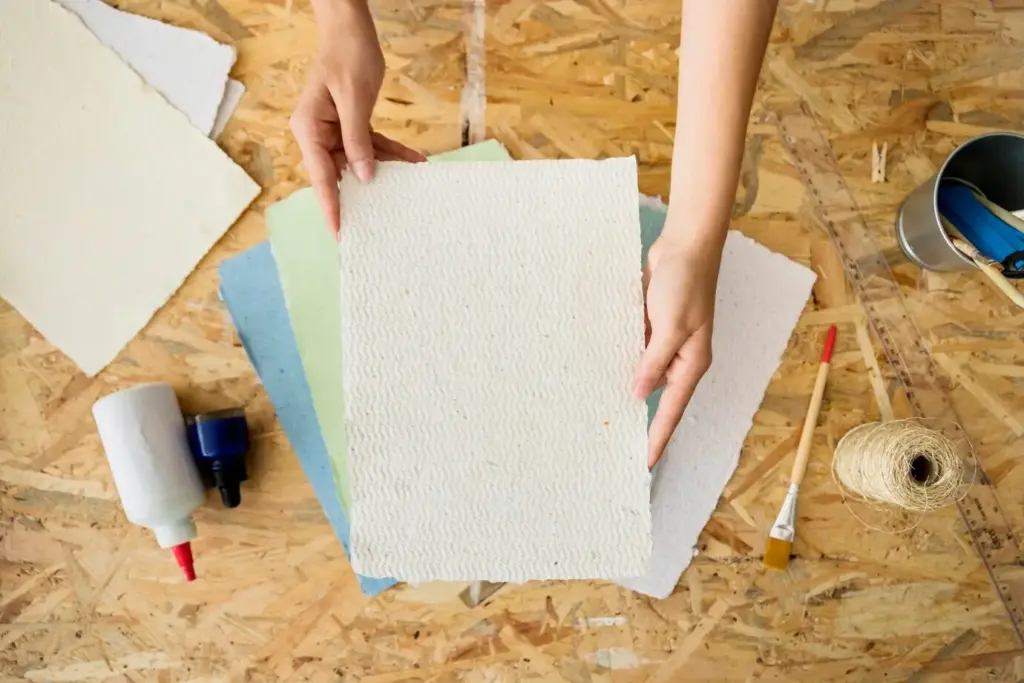
Alloy choices, paper stock, and inks carry symbolism and ethics. Recycled metals, plant‑based pigments, or responsibly sourced fibers can align remembrance with stewardship, acknowledging futures as well as pasts. Tactile textures guide fingertips toward details the eye might skip. Protective finishes resist time, yet graceful aging—patina, softening fibers—can recall the very passage of years being honored, inviting quiet reflection about endurance, responsibility, and the gentle labor of care.

From Cabinets to Clouds: Keeping Memory Accessible
Preservation is not only about temperature and light; it is about pathways. A rare medal locked away protects metal, but a high‑resolution, contextualized record protects meaning. Museums, libraries, and collectors partner to pair conservation with access, while digital catalogs, open metadata, and community annotations broaden discovery. When objects and stories travel together, milestones remain findable for school projects, family research, or late‑night curiosity years after ceremonies conclude.
Engagement That Sparks Conversation and Care
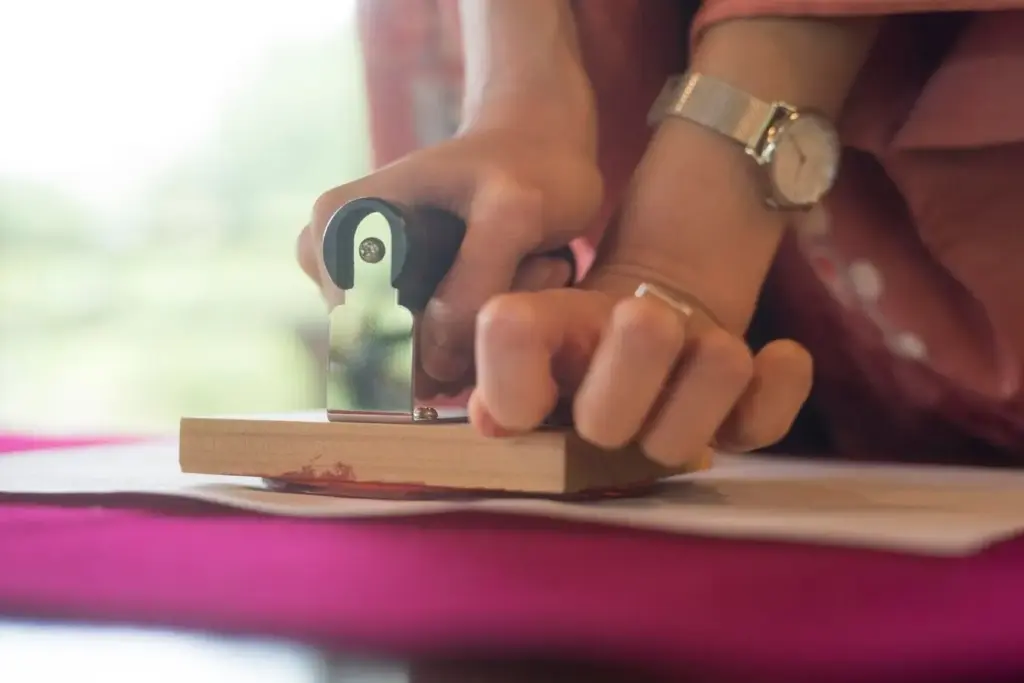
Commemorative series circulate best when people feel personally connected. Classroom kits, traveling exhibits, neighborhood unveilings, and livestreamed panels turn passive viewing into dialogue. Social hashtags, community challenges, and oral history drives welcome participation across ages. We invite you to comment with your earliest memory of a commemorative coin or stamp, subscribe for deep‑dive features, and share photos of cherished pieces that taught you something important and lasting.

The Road Ahead: Formats, Hybrids, and Living Updates
Commemoration is evolving toward layered experiences that blend physical keepsakes with digital context. Augmented reality reveals backstories; responsibly minted digital editions provide provenance and access; eco‑conscious materials align memory with stewardship. The goal is not novelty for novelty’s sake, but expanding empathy and accuracy. When updates, corrections, and community addenda remain possible, remembrance becomes a living practice that grows wiser instead of simply older.