From Pencil Lines to Postmarks: Inside a Stamp’s Journey

Today we explore “The Making of a Definitive Issue: From Concept Sketch to First Day Cover,” following how a small square of paper carries national identity, utility, and beauty. From early drawings to engraved plates, security inks, and the celebratory first day ceremony, this story blends artistry with logistics. Along the way, you’ll meet craftspeople, see what decisions define everyday postage, and discover how collectors cherish subtle details that most users never notice. Share your own discoveries and favorite definitive issues in the comments.

Sketching Identity and Purpose

Before any ink touches paper, a clear brief frames what the new definitive must accomplish: clarity of value, durability in circulation, and a recognizable look that stands beside predecessors yet feels fresh. Designers translate civic symbolism into functional elegance, balancing tradition and modernity. That balance is tested at stamp size, where a millimeter can redraw meaning. Early conversations focus on purpose, usage volume, and consistency, because definitives must work for years without visually tiring the public or confusing postal machinery.

Craft and Technique in the Studio

Engraver’s Touch
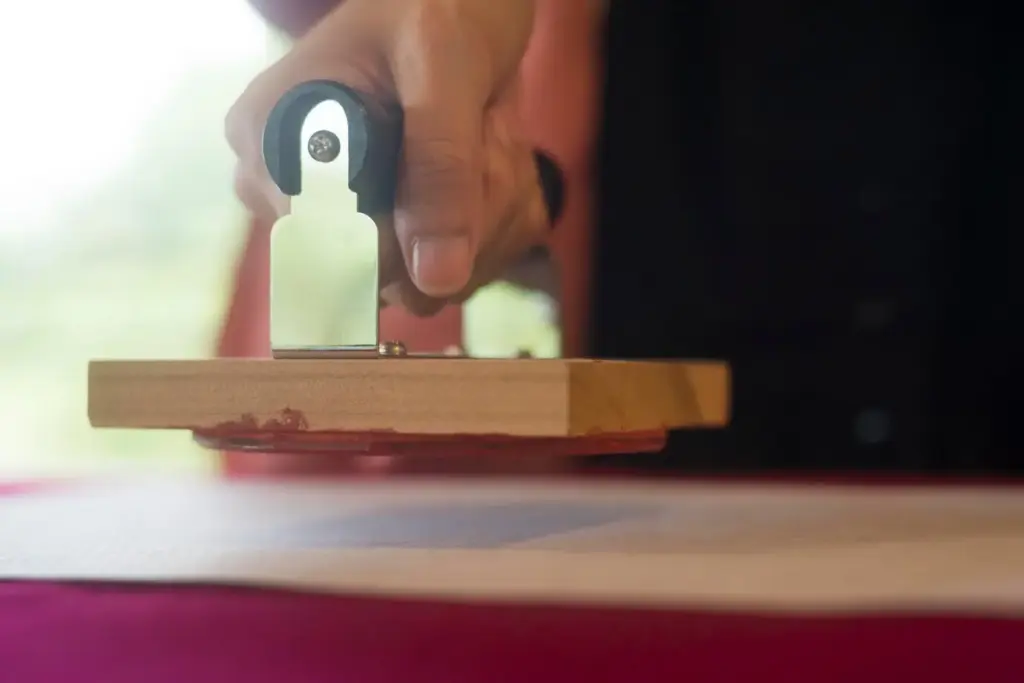
Intaglio rewards patience: steel or copper dies accept thousands of flicks from burin and roulette, each line carving tone from nothingness. Hatching simulates light and sculptural depth, giving definitive portraits their dignified presence and subtle tactile rise. The engraver reads the artist’s intent, then translates softness into disciplined geometry. Under magnification, lines behave as micro-architecture, guiding ink and resisting wear. That relief feel under the fingertip matters to collectors and users alike, anchoring trust and signaling authenticity through touch.

Color Proofs and Palettes

Definitives often return to restrained palettes, not from timidity but for functional clarity, cost, and consistency across vast runs. Proof sessions juggle Pantone references, spectral data, and fluorescent responses to ensure postal machines read tags correctly. Colors must resist fading in shop windows and withstand hand oils. The printer tests densities, trapping, and overprints, watching how fine features hold. A slightly cooler red can stabilize engraving detail, while a warmer paper subtly brightens midtones. Small hue decisions echo loudly in production.

Typography that Works Hard

Numerals, currency symbols, and microtext carry heavy lifting at tiny sizes. Designers choose faces with sturdy apertures, open counters, and predictable weight. Kerning becomes surgery, and hinting-like thinking governs shape clarity in ink rather than pixels. Accessibility matters: a hurried clerk must distinguish denominations instantly. Microprinted security lines double as ornament, adding rhythm and protection without clutter. Even the placement of the country name negotiates tradition, international standards, and visual harmony, ensuring the design feels authoritative without suffocating its own breathing room.

Paper, Security, and Printroom Realities
The sheet beneath the image is not neutral. Paper weight, fiber blend, coating, and gum influence print sharpness, curl resistance, and postmark behavior. Security features are woven, not bolted on, protecting both revenue and public trust. Watermarks, tagging, and microstructures must harmonize with artwork rather than fight it. Production teams consider humidity, storage, and transport, so boxes crossing climates do not ruin alignment. Every choice acknowledges that definitives live in pockets, drawers, and postal bags before meeting envelopes and cancelers.

Scaling the Run

When millions must look indistinguishable, measurement beats memory. Color bars, target patches, and test coupons travel on every sheet, feeding spectrophotometers that flag drift before eyes notice. Plate wear schedules anticipate fatigue. Even pallet stacking patterns affect curl. Separate facilities compare pulls weekly, sharing images and numbers, not anecdotes. Logistics teams pace releases to avoid shortages during holidays. Scalability becomes a design parameter itself, making sure the stamp that lands in a rural kiosk matches the flagship city’s first batch confidently.

Perforation and Finishing

Perforation turns prints into stamps. Rotary dies or pin-perf machines must bite cleanly without tearing corners, and die-cut adhesives require precise kiss depth. Booklet panes need stable spines; coils demand smooth edges for vending machines. Back numbers, control marks, and marginal inscriptions help audit inventory. Packaging protects surface detail while inviting retail browsing. Each finishing step risks scuffing or misalignment, so operators choreograph handling like a dance. Ultimately, the pleasure of a clean separation is part of the everyday user experience.

Quality Control Stories

Veteran inspectors recount saving entire runs by catching subtle tint shifts invisible under warehouse lighting, only obvious under daylight. Another remembers a misaligned tagging band that sorting machines misread, traced back to a drying tunnel’s temperature drift. These stories shape checklists newer staff rely on. Quality culture respects intuition while documenting method, so heroics become processes. The best outcome is invisible: the public never notices. But collectors appreciate when plate numbers and shades remain consistent across months of circulation.

Philatelic Dialogue and Public Reception

Design Reveal

The reveal should earn curiosity rather than noise. A focused press kit explains intent, craftsmanship, and practical improvements, supported by macro photographs and short studio clips. Designers speak plainly, crediting engravers and printers. Public responses often spotlight what insiders missed, such as how certain values feel friendlier at counters. Constructive critique fuels updates in later printings. By inviting eyes behind the curtain, the project turns observers into allies, building a community that roots for excellence instead of hunting for flaws.

Collectors’ Perspectives

Collectors map nuance: phosphor band positions, microtype variants, and slight hue shifts from different plate states. Plate numbers and marginal inscriptions become breadcrumbs through production history. Rather than mere error hunting, many celebrate refinement, praising beautifully even inking or crisp linework on late pulls. Their letters and forum posts often alert authorities to creeping inconsistencies early. This dialogue is a generous quality network, transforming private fascination into public benefit, while keeping the definitive issue culturally alive far beyond its utilitarian duty.

Accessibility and Everyday Use

Usefulness is moral as well as technical. Values must be quickly distinguished by busy hands, including users with low vision or color vision differences. Clear numerals, tonal contrast, and tactile intaglio help. Adhesives should avoid residue, and postmarks must anchor without obliterating key details. Vending machines read tagging reliably across ambient conditions. Feedback from clerks shapes refinements, because they see real friction points. When accessibility succeeds, the stamp invites everyone into smooth participation, silently improving millions of tiny daily exchanges.

First Day Ceremonies and Covers
Planning the Ceremony
Choosing a venue aligns symbolism and practicality: a museum gallery for portraiture, a botanical garden for flora, or a historic post office that anchors community memory. Speakers mix postal leadership, designers, and local voices. The cancellation device must complement the stamp without stealing attention. Logistics cover crowd flow, handback services, and merchandise that respects taste. Media kits provide visuals for broadcast. Done well, the ceremony becomes both celebration and education, sending the first wave of covers into the world with purpose.

Designing the FDC Cachet

A thoughtful cachet harmonizes with the stamp while offering fresh context. It may echo engraving lines, extend patterns into a broader vignette, or provide historic notes. Restraint is powerful; breathing space lets the stamp lead. Typography matches or respectfully contrasts the stamp’s numerals. Collectors appreciate consistency across a series, helping albums tell coherent stories. Even paper choice matters, resisting bleed and accepting postmarks cleanly. The best cachets tune a chord that resonates with the tiny centerpiece rather than drowning it.

Postmarks and Provenance

A well-designed first day cancellation ties the stamp to time and place. Its geometry avoids the main portrait, frames value digits, and invites legibility upon repeated strikes. Postal clerks train for clean impressions, a craft in itself. Documentation—certificates, receipts, and batch notes—helps future researchers authenticate variations. Attendees often share line stories, trading duplicates and advice for neat strikes. Those small human moments enrich provenance, turning each cover into a narrative artifact rather than a mere postal product or souvenir.
Wwwcbsaclassactionsettlement
Privacy Overview

This website uses cookies so that we can provide you with the best user experience possible. Cookie information is stored in your browser and performs functions such as recognising you when you return to our website and helping our team to understand which sections of the website you find most interesting and useful.